https://www.ted.com/talks/tasos_frantzolas_everything_you_hear_on_film_is_a_lie
In this talk, the speaker makes the point that sound is a beautiful yet deceiving lie, and in that there is power. His talk pertains specifically to film, and throughout his talk he demonstrates multiple examples. His message is understood within the first three minutes, everything you hear in film is not that actual noise, such as a punch really being the audio of sticking a knife in vegetables. Another tool used to prove his point his talking about the technique of reverberation. During this he demonstrates to the audience how a sound changes in different sized areas and how a sound designer can manipulate their sounds to fit that expectation. Another powerful tool he addresses is silence, and then goes on to explain the inaccuracy of that term. He stresses how there is sound in any space, and that is reflected in films with ambient sound. In addition he talks about how sounds that seemingly would occur naturally are often linked in our minds with certain situations, such as the sound of glass breaking indicating the end of a relationship. Finally he describes the power of off screen sounds, in which the audience does not see the object/situation making the sound but only hears it. To prove the power of this point he played a video of a close up of a baby moving around, with multiple different sounds each time he replayed it. It went from the baby to appearing to be playing with a toy to the baby seeming to be playing ping pong. Overall he teaches the audience about multiple tools utilized in the film industry that are used to make sound.
To understand this TED talk it is important to analyze the speaker and what he utilizes to achieve his purpose. One important area to consider is how the speaker establishes ethos in his talk. He is best known as the founder of Soundsnap.com, a sound effects and music library and this appears to be the reason he is given this talk. Viewing it from an online standpoint created a lack of ethos in this way as he did not explicitly say this in his talk. I had to read his biography on a different page in order to find out this information, where as it can be assumed that the audience had received some sort of introduction to his background. Also in his talk he causally mentions "our library" which confused me due to my lack of knowledge at that point about his background. After acknowledging that problem, his ethos is strong. He proves this in his talk in subtle ways, such as having vast knowledge about the topic. This knowledge is proved throughout the talk, such as when he addressed the importance of reverberation in films and then played an example for the audience. Logos also has a strong presence in his talk. As previously discussed, he uses multiple examples to back up the claims he makes. This allows an avenue for people who are very unfamiliar with film to agree with him through his example choices. Also the frequency of evidence, being after every point he makes, allows for further establishment of ethos in his talk. To me, the strongest point of ethos he makes is towards the end when he addressed the power of off-screen sounds. After making his point, he went on the demonstrate eight examples and proving to the audience the statement he had made. Ethos does not make a strong appearance in this talk, as the subject matter would be weakened. Ethos does appear in his examples, using the sound to influence the audiences emotions, yet that is utilized only to further expand on his use of logos.
I first clicked on this TED talk because it was centered around film, one of my favorite classes (along with English of course). We had actually recently filmed a movie and just started post production, which included sound production (shout out to Rosie, our sound designer). In addition, I had a small amount of prior knowledge on the topic, so I figured it would be interesting to watch. As I watched and listened, a theme relating to topics we have discussed in class arose. The idea that things are not as they seem, moreover the idea that someone is putting on a façade. In the talk, it pertained to how sounds in films are deceiving, more often than not being a straight up lie. This also can be a connection to sense perception, and how senses can be easily tricked or persuaded with the right tools. This idea has been present in class through the concept of the duality of humans, and the maintaining of reputation. Often people put forth a lie about themselves in order to achieve a certain purpose or reputation.
Sunday, January 22, 2017

Sunday, January 8, 2017
HYDE and seek
Comparing the description of Mr. Hyde from chapter 1 and the description of Dr. Jekyll from chapter 6, a reader notices many differences yet also many similarities. The first similarity that caught my attention was how both characters had a certain aura, so to speak, and emitting a certain feel without any identifiable single source. This can be seen from the description of Mr. Hyde, where the main purpose of the excerpt is for Mr. Utterson to explain the strange, eerie feeling he experienced when looking at Mr. Hyde. Stevenson uses language to achieve this purpose such as "strong feeling" and the repetition of the word "something. "Strong feeling" is utilized to emphasize how Mr. Utterson was experiencing a bizarre disgust with Mr. Hyde that came not from his looks but purely from Mr. Utterson's gut instinct. In addition, the repetition of the word "something" points out how Mr. Utterson can not quite put his finger on what was offbeat about Mr. Hyde, instead reverting to using "something" as a vague term to describe Mr. Hyde's attributes. This same generalization and sense of aura from a person is present in the description of Dr. Jekyll. A difference can be seen, as it is not the main purpose of the passage to describe the aura of Dr. Jekyll, though it is briefly mentioned. In this section, Mr. Utterson has detected how Mr. Jekyll looked as if he was on death's doorstep and had given in to this fact. Though physical indicators of this are described, Mr. Utterson points to the most noticeable clue to Dr. Jekyll's ailment as the "look in the eye" and the "quality of manner" of Dr. Jekyll. This language used maintains a similar sense of aura and eeriness as in the description of Mr. Hyde.
Another point of contrast between the two passages is the level of description that Mr. Utterson goes into for each person. While Hyde is given very few and very vague words, Jekyll can be imagined by the reader in vivid details. I feel this difference is highlighted on purpose, as it is crucial to the main plot twist of the story. As I went to go see the musical two years ago, I know the plot twist waiting to happen. SPOILER ALERT: The discrepancy in the level of description between these two characters allows for the reader to picture the characters as two separate people in their imaginations, when in reality these two characters are the same person. If Mr. Utterson had gone into an intense, sharp depiction of both characters, some readers may have earlier picked up on the plot twist of the novella.
My intended purpose of this poem was to highlight a few major themes from the novella. One of these is the struggle between Jekyll and Hyde, evident through the idea presented that Hyde won something. In addition I attempted to display that human nature is inherently evil, yet can be changed by the individual for appearances sake. I want the audience to read this poem and better understand the conflict between Jekyll and Hyde, and how that represents good versus evil.
Another point of contrast between the two passages is the level of description that Mr. Utterson goes into for each person. While Hyde is given very few and very vague words, Jekyll can be imagined by the reader in vivid details. I feel this difference is highlighted on purpose, as it is crucial to the main plot twist of the story. As I went to go see the musical two years ago, I know the plot twist waiting to happen. SPOILER ALERT: The discrepancy in the level of description between these two characters allows for the reader to picture the characters as two separate people in their imaginations, when in reality these two characters are the same person. If Mr. Utterson had gone into an intense, sharp depiction of both characters, some readers may have earlier picked up on the plot twist of the novella.
Dr. Jekyll |
Mr. Hyde
|
What have I done?
| |
What have I made?
| |
How did this happen?
|
How did this happen?
|
I have been released
| |
Jekyll has been hiding me for fear of his reputation
| |
One day I won’t be able to hide him anymore
|
One day he won’t be able to hide me anymore
|
I try to fight but he always wins
| |
Hyde has power over me
| |
If man is half good and half bad why is bad winning?
|
If man is half good and half bad why is bad winning?
|
Bad is winning because it is human nature to be bad
| |
Human nature is mean, unkind, selfish
| |
When human nature prevails so does evil
|
When human nature prevails so does evil
|
My weapons are rocks, his are nuclear bombs
| |
He is impossible to stop, I must try to appease him
| |
I know now he will win
|
I know now I will win
|
Bye bye Dr. Jekyll
| |
Forever we will be Mr. Hyde
|
My intended purpose of this poem was to highlight a few major themes from the novella. One of these is the struggle between Jekyll and Hyde, evident through the idea presented that Hyde won something. In addition I attempted to display that human nature is inherently evil, yet can be changed by the individual for appearances sake. I want the audience to read this poem and better understand the conflict between Jekyll and Hyde, and how that represents good versus evil.
Saturday, December 17, 2016
Netflix and chill with Banquo
Banquo's Netflix Recommendations:

Criminal Minds:
In this long running TV series, each episode is based off of a crime, normally either a murder or rape. Then the BAU, the Behavior Analysis Unit, of the FBI is called in to handle the case and the criminal is (normally) found based off of behavioral evidence.
Banquo enjoys watching this show because not only does it challenge his intellect but he enjoys learning about the mentality of different types of criminals. He would recommend this show because it makes him consider the behavior of the people around him in a new way. This relates particularly to the story of Macbeth due to how Banquo had become to question if Macbeth had killed King Duncan and had put together pieces of evidence that pointed him to believe that due to Macbeth's behavior. This is evident in the beginning of Act 3 scene 1 in which Banquo expresses fears that Macbeth played foully for his new position as King.

Mean Girls:
This classic comedy tells the story of a new girl transferring to a high school which is ruled by a social hierarchy. That new girl joins and eventually gets assimilated into the "highest" group of three mean girls, called the Plastics. But she later tries to bring them down, ending with an unforgettable ending of the main mean girl getting hit by a bus. #classic
This movie is Banquo's guilty pleasure. He watches it whenever he's feeling down or sad for a good laugh. But Banquo relates to it more than he likes to admit. He specifically can relate well to the girls in the Plastics who are in Regina George's shadow (the main mean girl). This is because Banquo feels as if he is often seen in Macbeth's shadow, though they are the best of friends and very similar in ability. Also in the movie there is a jealousy between the other girls in the Plastics and Regina George, as this reveals the jealously that Banquo holds for Macbeth. Yet Banquo finds lots of joy in the ending, when Regina gets hit by the bus, which relates to how Macbeth faces his end, despite the fact that Banquo is not alive to see it.

Brain Games:
This TV series varies from Banquo's other selections as it is not based around a central fictional storyline, whereas it is an interactive show which encourages viewers to engage in various visual, auditory, and other types of cognitive experiments. Each episode has a central focus, such as focusing on how humans pay attention or how and why humans experience fear.
Banquo watches this show because it encourages him to not only grow and train his brain, but it allows him to notice more of the things going on around him and how he might be perceiving these things in a certain way due to his brain. It reveals his interest in more intellectual ideals yet also reveals his mistrust of the world around him.

Stranger Things:
This new, different TV series encompasses the story of a young boys mysterious disappearance and what his family, friends, and community discover as they try to find him. It has a flare the supernatural in it as that seemingly appears to be the reason for the boys disappearance, and it seems to be behind many of the events in the show.
Banquo watches this because he is very intrigued in just how real the supernatural is and how much of an affect it can have. It reveals his curiosity to the subject, instead of complete denial as he tries to portray to Macbeth. In addition, this show plays into the idea that the supernatural are real and live alongside us yet in a different universe. This idea is something Banquo is personally struggling with, so watching this show really engages his mind in if the witches could be speaking to something that is true or if it was all just a big scam.

Pretty Little Liars:
This teenaged obsessed TV series centers around a friend group that began receiving messages from a mysterious villain named "A" after the murder of one of their friends. "A" threatens and tortures them for the mistakes they've made while their friend was alive and then after she died.
Banquo is fascinated with this show not just because of the steamy drama. Banquo feels as if he can relate to the feeling of being manipulated by an outside force. In addition, he can relate to feeling as if a friend is taking the news from the outside force in a way that causes them to do things they would not have otherwise. This reveals how Banquo eventually accepts that Macbeth is using the knowledge from the Witches to his advantage to help him become king. This also shows how Banquo feels changed by the information bestowed upon him by the witches, and how he does not act on it yet is constantly weary of the heavy information.

Criminal Minds:
In this long running TV series, each episode is based off of a crime, normally either a murder or rape. Then the BAU, the Behavior Analysis Unit, of the FBI is called in to handle the case and the criminal is (normally) found based off of behavioral evidence.
Banquo enjoys watching this show because not only does it challenge his intellect but he enjoys learning about the mentality of different types of criminals. He would recommend this show because it makes him consider the behavior of the people around him in a new way. This relates particularly to the story of Macbeth due to how Banquo had become to question if Macbeth had killed King Duncan and had put together pieces of evidence that pointed him to believe that due to Macbeth's behavior. This is evident in the beginning of Act 3 scene 1 in which Banquo expresses fears that Macbeth played foully for his new position as King.

Mean Girls:
This classic comedy tells the story of a new girl transferring to a high school which is ruled by a social hierarchy. That new girl joins and eventually gets assimilated into the "highest" group of three mean girls, called the Plastics. But she later tries to bring them down, ending with an unforgettable ending of the main mean girl getting hit by a bus. #classic
This movie is Banquo's guilty pleasure. He watches it whenever he's feeling down or sad for a good laugh. But Banquo relates to it more than he likes to admit. He specifically can relate well to the girls in the Plastics who are in Regina George's shadow (the main mean girl). This is because Banquo feels as if he is often seen in Macbeth's shadow, though they are the best of friends and very similar in ability. Also in the movie there is a jealousy between the other girls in the Plastics and Regina George, as this reveals the jealously that Banquo holds for Macbeth. Yet Banquo finds lots of joy in the ending, when Regina gets hit by the bus, which relates to how Macbeth faces his end, despite the fact that Banquo is not alive to see it.

Brain Games:
This TV series varies from Banquo's other selections as it is not based around a central fictional storyline, whereas it is an interactive show which encourages viewers to engage in various visual, auditory, and other types of cognitive experiments. Each episode has a central focus, such as focusing on how humans pay attention or how and why humans experience fear.
Banquo watches this show because it encourages him to not only grow and train his brain, but it allows him to notice more of the things going on around him and how he might be perceiving these things in a certain way due to his brain. It reveals his interest in more intellectual ideals yet also reveals his mistrust of the world around him.

Stranger Things:
This new, different TV series encompasses the story of a young boys mysterious disappearance and what his family, friends, and community discover as they try to find him. It has a flare the supernatural in it as that seemingly appears to be the reason for the boys disappearance, and it seems to be behind many of the events in the show.
Banquo watches this because he is very intrigued in just how real the supernatural is and how much of an affect it can have. It reveals his curiosity to the subject, instead of complete denial as he tries to portray to Macbeth. In addition, this show plays into the idea that the supernatural are real and live alongside us yet in a different universe. This idea is something Banquo is personally struggling with, so watching this show really engages his mind in if the witches could be speaking to something that is true or if it was all just a big scam.

Pretty Little Liars:
This teenaged obsessed TV series centers around a friend group that began receiving messages from a mysterious villain named "A" after the murder of one of their friends. "A" threatens and tortures them for the mistakes they've made while their friend was alive and then after she died.
Banquo is fascinated with this show not just because of the steamy drama. Banquo feels as if he can relate to the feeling of being manipulated by an outside force. In addition, he can relate to feeling as if a friend is taking the news from the outside force in a way that causes them to do things they would not have otherwise. This reveals how Banquo eventually accepts that Macbeth is using the knowledge from the Witches to his advantage to help him become king. This also shows how Banquo feels changed by the information bestowed upon him by the witches, and how he does not act on it yet is constantly weary of the heavy information.
Saturday, December 3, 2016
Fate vs Chance vs Shakespeare
Do you believe events in your life have been guided by fate or chance? Why or why not? Based on the text, what do you think Shakespeare's attitude was towards fate? Does Macbeth have any choice in his actions or was everything predetermined? Use examples from the text as your support.
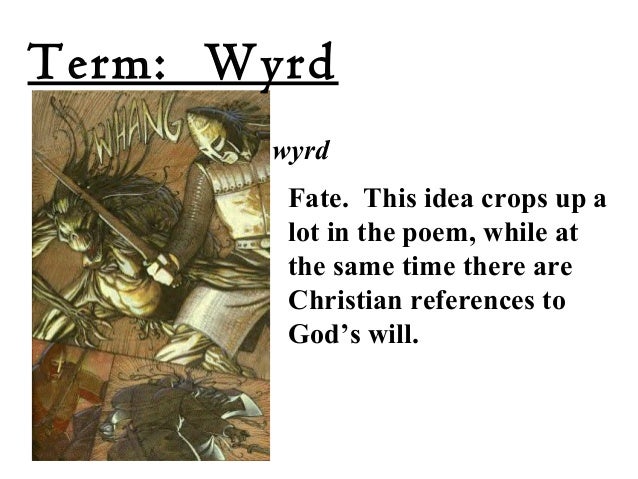
Humans like to believe that their future lies in their own hands. The idea of overcoming odds, working hard to surmount challenging circumstances, is very present in our modern world. Yet it can be argued that this mentally has developed alongside the rise of secularism. A core belief of Christianity, the most common religion in the western world since long before Shakespeare's time, is that God has ultimate control of an individuals future. This conflicts with free will, as an individual cannot have free will if their future is predetermined. Simply, this is the question stated in the prompt: is an individuals life controlled by fate or chance?
Personally I have always lived believing I had control over my life. This subconscious belief might have been built through a combination of my secular beliefs and my parent's influence on me. The first time I was directly questioned about this topic was in ninth grade. I remember reasoning with myself that I had free will. My example was that, if I wanted, I could run out of the classroom into the middle of the road or I could just stay in my seat. How could that be predetermined? As most childhood beliefs are upheld, I still believe the events in my life have been guided rather by free will than chance. Though I now understand that no matter what example I come up with it will not be able to disprove people who believe our lives are guided by fate, I have developed my personal reasons for believing the opposite. Most of these stem from my personal religious beliefs, which can be summarized well as previously stated, secular.
As I continue I will be looking at the question through a religious lens, though I realize that many people who believe in fate controlling their lives do not necessarily hold religious beliefs.
Based not only on the text but also the time period in which Shakespeare lived, I believe Shakespeare believed events in an individuals life were guided by fate. As I mentioned earlier, religion in general was more present during Shakespeare's lifetime. Hence, the idea of an individual's fate being predetermined was a societal norm during that time. Even though his personal religious belief are still a topic of debate between scholars, a society that believed in fate must have rubbed off on a young Shakespeare. This theory is further supported by Macbeth, in which the power of fate controls most if not all events in the novel. An example of this can be seen in the rising action of the novel, when Duncan is killed by Macbeth, his sons run away, and Macbeth is consequently left as King. Macbeth becoming King is exactly what the Witches claimed would happen in the beginning of the play. This speaks to Shakespeare's belief in fate because ultimately every aspect of the Witches claim comes true. (I'm taking a guess about that though because we have yet to finish the book but based on what's happened I'm going with that assumption.) In what has happened so far in the novel, Macbeth has been given the illusion of choice. This can be seen when Macbeth was faced with the choice to continue to try to maintain the role of King or to try to fix his mistakes. Yet, I believe Shakespeare is utilizing Macbeth to showcase a theme of the play, that events in an individuals life is controlled by fate. In that example, I believe Macbeth has been changed by his actions too much to revert back to his previous self no matter whether someone asked him if he wanted to or not. Ultimately I believe Shakespeare believed in fate over free will, and this is displayed in the play through how Macbeth's every supposed "choice" only leads back to original prophecy presented by the Witches.
Humans like to believe that their future lies in their own hands. The idea of overcoming odds, working hard to surmount challenging circumstances, is very present in our modern world. Yet it can be argued that this mentally has developed alongside the rise of secularism. A core belief of Christianity, the most common religion in the western world since long before Shakespeare's time, is that God has ultimate control of an individuals future. This conflicts with free will, as an individual cannot have free will if their future is predetermined. Simply, this is the question stated in the prompt: is an individuals life controlled by fate or chance?
Personally I have always lived believing I had control over my life. This subconscious belief might have been built through a combination of my secular beliefs and my parent's influence on me. The first time I was directly questioned about this topic was in ninth grade. I remember reasoning with myself that I had free will. My example was that, if I wanted, I could run out of the classroom into the middle of the road or I could just stay in my seat. How could that be predetermined? As most childhood beliefs are upheld, I still believe the events in my life have been guided rather by free will than chance. Though I now understand that no matter what example I come up with it will not be able to disprove people who believe our lives are guided by fate, I have developed my personal reasons for believing the opposite. Most of these stem from my personal religious beliefs, which can be summarized well as previously stated, secular.
As I continue I will be looking at the question through a religious lens, though I realize that many people who believe in fate controlling their lives do not necessarily hold religious beliefs.
Based not only on the text but also the time period in which Shakespeare lived, I believe Shakespeare believed events in an individuals life were guided by fate. As I mentioned earlier, religion in general was more present during Shakespeare's lifetime. Hence, the idea of an individual's fate being predetermined was a societal norm during that time. Even though his personal religious belief are still a topic of debate between scholars, a society that believed in fate must have rubbed off on a young Shakespeare. This theory is further supported by Macbeth, in which the power of fate controls most if not all events in the novel. An example of this can be seen in the rising action of the novel, when Duncan is killed by Macbeth, his sons run away, and Macbeth is consequently left as King. Macbeth becoming King is exactly what the Witches claimed would happen in the beginning of the play. This speaks to Shakespeare's belief in fate because ultimately every aspect of the Witches claim comes true. (I'm taking a guess about that though because we have yet to finish the book but based on what's happened I'm going with that assumption.) In what has happened so far in the novel, Macbeth has been given the illusion of choice. This can be seen when Macbeth was faced with the choice to continue to try to maintain the role of King or to try to fix his mistakes. Yet, I believe Shakespeare is utilizing Macbeth to showcase a theme of the play, that events in an individuals life is controlled by fate. In that example, I believe Macbeth has been changed by his actions too much to revert back to his previous self no matter whether someone asked him if he wanted to or not. Ultimately I believe Shakespeare believed in fate over free will, and this is displayed in the play through how Macbeth's every supposed "choice" only leads back to original prophecy presented by the Witches.
Tuesday, November 8, 2016

Sunday, October 30, 2016
Society vs Author
Writers often highlight the values of a culture or a society by using characters who are alienated from that culture or society because of gender, race, class, or creed. Explain how the character’s alienation reveals the surrounding society’s assumptions and moral values.
In this excerpt, the alienation of two different characters both reveal a different aspect of the society in which the story is set. The reason for which they both are alienated speaks to the authors opinion of churchly figures at that time misusing their power and being hypocritical in their application of their faith.
First to be alienated in this excerpt is Julia Severn, which the author is able to do through Mr. Brocklehurst's harsh criticism of her hair. Julia's hair is described as "red hair, curled all over" by Mr. Brocklehurst. Despite any negative connotation in the modern day with red, curly hair, the reader is able to assume through the negative diction used by Mr. Brocklehurst that having that hair type is seen as a bad thing in his eyes. Due to the fact that Mr. Brocklehurst is implied to be a dedicated Christian, the reader is drawn to understanding his beliefs as an extension of the church's at this time. The alienation of Julia continues further as Mr. Brocklehurst deems "that girl's hair must be cut off entirely" due to her hair's natural tendency to not appear to be "arranged closely, modestly, plainly". This demand is justified with religious implications that it is a girls responsibility to remain modest. In this way the author is highlighting what she sees as a flaw in that society under the church, that girls are shamed and forced into attempting to be modest by the church's definition. Reading this in our current time makes Mr. Brocklehurst's demand of chopping off all of her hair seem ridiculous to the point of being humorous, further demonstrating the authors intent of highlighting what she sees as a problem with this society.
The second alienation occurs with the young student Jane, who draws Mr. Brocklehurst's attention to her by dropping and breaking her slate. Upon realizing who this girl is, Mr. Brocklehurst begins to isolate her by stating that she "is a little castaway: not a member of the true flock, but evidently an interloper and an alien". Yet again Mr. Brocklehurst uses religious references to act as justification for how he belittles Jane through saying how she is not in the true flock of God's lamb, in other words she is not a follower of God. As if this was not enough to separate her classmates and teacher from her, Mr. Brocklehurst continues on to address Jane's class by saying "you must be on your guard against her; you must shun her example; if necessary, avoid her company, exclude her from your sports, and shut her out from your converse". His attempts to exclude and alienate her are the opposite of subtle as he declares to her class that she is dangerous. This exclusion stems from her previous misbehavior, as Mr. Brocklehurst continues on to say that she has "an ingratitude so bad, so dreadful, that at last her excellent patroness was obliged to separate her from her own young". This is another way in which the author is speaking towards hypocritical aspects of the church during this time period in which she disagrees with. In this case, the author is criticizing the church's hypocritical stance towards forgiving sins of others. Jane is used as an example of one who has sinned in the past yet is trying to now to follow the rules and the will of God. Though the message of the church should be that she is forgiven, she instead receives harsh judgment and isolation. In this way the author is yet again criticizing the church in the society at this time.
In this excerpt, the alienation of two different characters both reveal a different aspect of the society in which the story is set. The reason for which they both are alienated speaks to the authors opinion of churchly figures at that time misusing their power and being hypocritical in their application of their faith.
First to be alienated in this excerpt is Julia Severn, which the author is able to do through Mr. Brocklehurst's harsh criticism of her hair. Julia's hair is described as "red hair, curled all over" by Mr. Brocklehurst. Despite any negative connotation in the modern day with red, curly hair, the reader is able to assume through the negative diction used by Mr. Brocklehurst that having that hair type is seen as a bad thing in his eyes. Due to the fact that Mr. Brocklehurst is implied to be a dedicated Christian, the reader is drawn to understanding his beliefs as an extension of the church's at this time. The alienation of Julia continues further as Mr. Brocklehurst deems "that girl's hair must be cut off entirely" due to her hair's natural tendency to not appear to be "arranged closely, modestly, plainly". This demand is justified with religious implications that it is a girls responsibility to remain modest. In this way the author is highlighting what she sees as a flaw in that society under the church, that girls are shamed and forced into attempting to be modest by the church's definition. Reading this in our current time makes Mr. Brocklehurst's demand of chopping off all of her hair seem ridiculous to the point of being humorous, further demonstrating the authors intent of highlighting what she sees as a problem with this society.
The second alienation occurs with the young student Jane, who draws Mr. Brocklehurst's attention to her by dropping and breaking her slate. Upon realizing who this girl is, Mr. Brocklehurst begins to isolate her by stating that she "is a little castaway: not a member of the true flock, but evidently an interloper and an alien". Yet again Mr. Brocklehurst uses religious references to act as justification for how he belittles Jane through saying how she is not in the true flock of God's lamb, in other words she is not a follower of God. As if this was not enough to separate her classmates and teacher from her, Mr. Brocklehurst continues on to address Jane's class by saying "you must be on your guard against her; you must shun her example; if necessary, avoid her company, exclude her from your sports, and shut her out from your converse". His attempts to exclude and alienate her are the opposite of subtle as he declares to her class that she is dangerous. This exclusion stems from her previous misbehavior, as Mr. Brocklehurst continues on to say that she has "an ingratitude so bad, so dreadful, that at last her excellent patroness was obliged to separate her from her own young". This is another way in which the author is speaking towards hypocritical aspects of the church during this time period in which she disagrees with. In this case, the author is criticizing the church's hypocritical stance towards forgiving sins of others. Jane is used as an example of one who has sinned in the past yet is trying to now to follow the rules and the will of God. Though the message of the church should be that she is forgiven, she instead receives harsh judgment and isolation. In this way the author is yet again criticizing the church in the society at this time.
Sunday, October 16, 2016
"The Man your Man could smell like"

Directed by Tom Kuntz, this ad stars Isaiah Mustafa, an indisputably good looking man. Released on February 7th, 2010, this ad was broadcasted on popular television stations in the United States. This ad was made to sell Old Spice body wash. on the surface, it is evident that the ad is thriving off of the idea that if this amazing man uses this body wash he must smell good therefore if another man uses that body wash he will also accomplish such things. This is obvious when Mustafa is beginning the ad and tells the audience to compare their man to him, and then he states "sadly, he isn't me". This implies the audience would be happier if their man was as similar to Mustafa as possible, including using the same body wash. Additionally, on the surface this ad also uses comedy to make a lasting impression on their audience. The ridiculous and unrealistic change of setting and the dialogue he uses portrays this comedy and is very unique.
Upon looking further, a combination of two of the seven deadly sins can be seen at work in this ad. The audience for this ad, which I will go more in-depth about later, is women with male significant others. In this way the ad takes advantage of lust to make this product seem more appealing to women and hence ideally lead to them suggesting their significant other purchase this product. The main avenue the ad uses to achieve this technique is placing an attractive man with no shirt on as the main character of this ad. This visually promotes lust from the female audience. Another important yet small aspect of this ad which suggests lust is how he maintains constant eye-contact with the camera in a nonchalant demeanor. This eye contact is an engaging visually for a female viewer as eye contact makes people feel closer to each other. The other deadly sin I saw utilized here was envy, yet again with the intent of persuading the female audience. This envy was promoted both visually and linguistically to persuade the viewer to purchase their product. Visually, a man is presented to female viewers in romantically inclined settings such as on a boat or on a horse that are stereotypically pleasing to a female. In addition, the language used by the main actor is prompting envy through its suggestive and aggressively straightforward style. The actor suggests that he is "the man your man could smell like", which not subtly suggests the female viewer should envy the good smelling man in the ad.
The ad targets female viewers, despite the product's target market being male, as the company determined that women frequently make purchasing decisions in respect of hygiene products for male household members. The audience could then be considered females who live with their male significant other (or moms who want their son to catch a date). Old Spice is a product that is attainable for most of the middle class, so it can be assumed that the intended audience is the middle class who are well-off enough to desire to buy slightly more expensive body wash to be appealing to women, yet who are also not well-off enough to afford very high caliber hygiene products. In addition the intended audience must have knowledge of and interest in popular culture to have seen this ad appear on common television stations.
Subscribe to:
Posts (Atom)